

Introduction
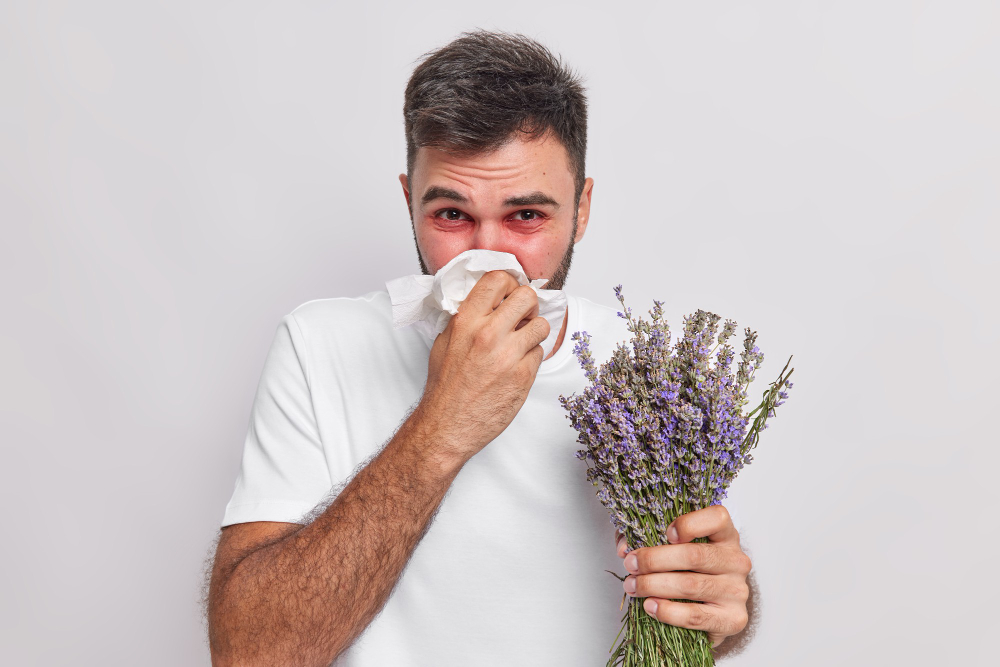
Allergic rhinitis is a common problem. It causes sneezing, a runny nose, and itchy eyes. Many people look for natural ways to feel better. Ayurveda for allergic rhinitis offers gentle, holistic care. Ayurveda is an ancient Indian system of medicine. It uses herbs, diet, and lifestyle changes to help the body heal. In this blog, you will learn about allergic rhinitis, its symptoms, and how Ayurveda can help. You will also find natural remedies for allergies and tips for prevention.
Symptoms of Allergic Rhinitis
Allergic rhinitis can make daily life hard. However, knowing the symptoms helps you spot the problem early. Common signs include:
Sometimes, these symptoms last only a short time. But for others, they may continue for weeks or months.
Causes and Triggers
Allergic rhinitis happens when your body reacts to harmless things. These things are called allergens. For example, pollen, dust mites, animal dander, and mold can trigger symptoms. According to the World Health Organization (WHO), allergies are rising worldwide. In many cases, weather changes or pollution can make symptoms worse. Sometimes, strong smells or smoke can also trigger a reaction.
Ayurvedic Perspective on Allergic Rhinitis
Ayurveda views allergic rhinitis as a result of an imbalance in the body. In Ayurveda, this condition is called “Vata-Kapha Pratishaya.” The imbalance of Vata (air) and Kapha (water) doshas leads to symptoms. According to Ayurvedic texts, weak digestion and poor immunity can make allergies worse. Therefore, Ayurveda for allergic rhinitis focuses on restoring balance. It uses herbs, diet, and lifestyle changes to support the body’s natural healing.
Common Ayurvedic Remedies and Treatments
Ayurvedic treatment for nasal allergies uses natural remedies. These remedies aim to reduce symptoms and boost immunity. Some popular options include:
Always talk to a qualified Ayurvedic practitioner before starting any new remedy. Some herbs may not suit everyone.
Lifestyle and Dietary Guidance
Ayurveda for allergic rhinitis also focuses on daily habits. Simple changes can make a big difference. For example, you can:
In addition, regular sleep and stress management help the body heal faster.
Prevention Tips
Preventing allergic rhinitis is possible with a few simple steps. Here are some tips:
With these habits, you can lower your risk of allergy flare-ups.
Conclusion
Allergic rhinitis can be bothersome, but natural remedies can help. Ayurveda for allergic rhinitis offers gentle, holistic care. It uses herbs, diet, and lifestyle changes to bring relief. However, always consult a qualified Ayurvedic practitioner at Shri Kerala Ayurveda Vaidya Sala for personalized advice on managing allergic rhinitis. For more information, visit trusted sources like the World Health Organization or the Centers for Disease Control and Prevention.