

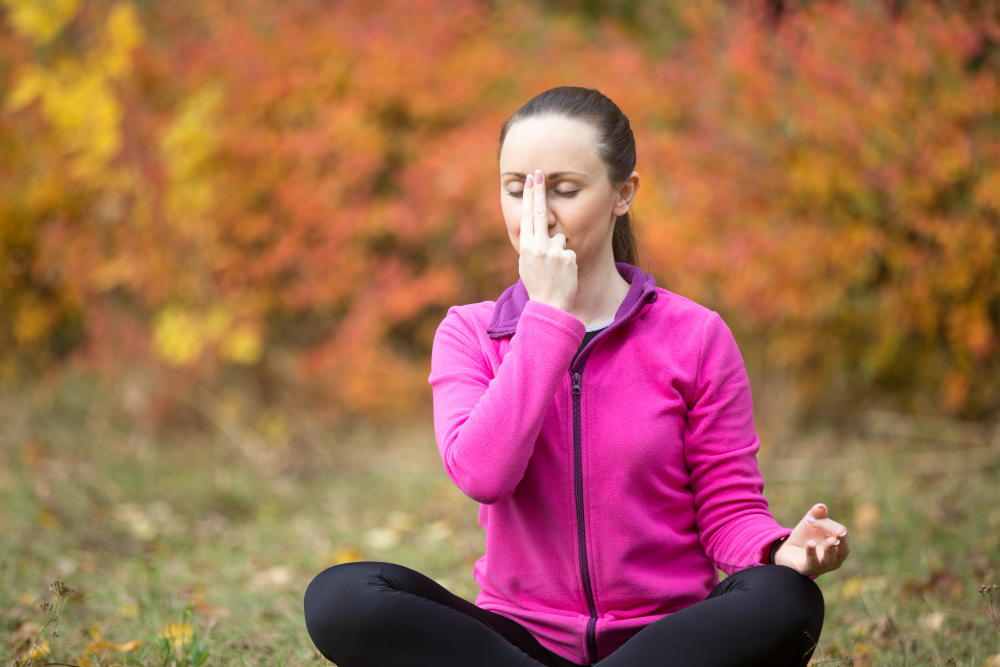
Asthma is a long-term lung condition that makes breathing hard. It causes coughing, wheezing, and chest tightness. Many people look for natural ways to manage asthma. Ayurveda for asthma offers gentle, natural asthma relief using herbs, diet, and breathing techniques. In this blog, you will learn about Ayurvedic remedies for asthma, natural asthma relief, and Ayurveda breathing techniques. These methods may help you breathe easier and improve your quality of life.
What Is Asthma?
Asthma is a disease that affects the airways in your lungs. When you have asthma, your airways become swollen and narrow. This makes it hard for air to move in and out. As a result, you may feel short of breath, cough, or wheeze. Sometimes, asthma symptoms get worse quickly. This is called an asthma attack. Asthma can affect daily life by making it hard to exercise, sleep, or do normal activities. According to the World Health Organization (WHO), asthma affects millions of people worldwide. However, with the right care, most people can control their symptoms.
Ayurvedic Perspective on Asthma
Ayurveda is an ancient Indian system of medicine. It believes that health depends on a balance of three energies, called doshas: Vata, Pitta, and Kapha. According to Ayurveda, asthma is often linked to an imbalance in the Kapha and Vata doshas. When these doshas are out of balance, it can cause mucus to build up in the lungs and block airways. Ayurveda calls asthma “Tamaka Shwasa.” It sees asthma as a problem of blocked channels and weak digestion. Therefore, Ayurvedic care focuses on restoring balance and clearing blockages.
Common Ayurvedic Treatments for Asthma
Ayurveda uses many natural asthma remedies to help manage symptoms. These include herbs, therapies, and home remedies. Here are some popular Ayurvedic treatments for asthma:
Always talk to a qualified practitioner before starting any new remedy.
Ayurvedic Lifestyle and Dietary Guidance
Ayurveda for asthma also includes lifestyle and diet changes. These steps can help reduce symptoms and improve well-being. For example, eating light, warm foods can help digestion and reduce mucus. Here are some practical tips:
With these changes, many people notice fewer asthma symptoms and better energy.
Prevention and Long-Term Management
Ayurveda for respiratory health focuses on prevention as well as treatment. To help prevent asthma attacks, Ayurveda suggests:
Over time, these habits can support long-term asthma control and better lung health.
Safety, Limitations, and When to Seek Medical Help
While Ayurveda for asthma in India and worldwide offers many natural options, it is important to be careful. Ayurvedic remedies for asthma may help with mild symptoms. However, they should not replace your doctor’s advice or prescribed medicines. If you have severe asthma, always carry your inhaler and follow your doctor’s plan. Seek medical help right away if you have trouble breathing, chest pain, or blue lips. Combining Ayurveda with modern care may give the best results. Always consult a qualified Ayurvedic practitioner at Shri Kerala Ayurveda Vaidya Sala or healthcare provider before starting new treatments.
Consult a qualified Ayurvedic practitioner or healthcare provider at Shri Kerala Ayurveda Vaidya Sala for personalized asthma management advice.